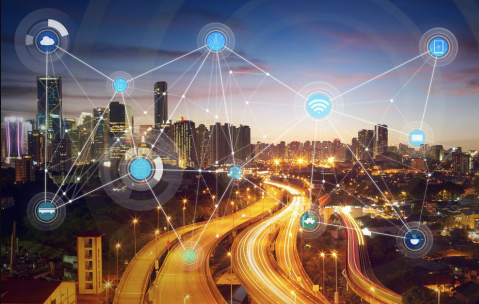
The future of edge computing is intricately linked to the evolving landscape of data processing needs. As organizations confront the limitations of traditional cloud models, the shift towards decentralized architectures becomes evident. Innovations such as quantum edge computing promise to enhance efficiency and reduce latency. However, challenges remain. Understanding these dynamics will be critical as organizations navigate privacy concerns and compliance issues in an increasingly data-driven world. The implications are substantial.
Understanding Edge Computing: An Overview
Edge computing represents a paradigm shift in data processing and management, positioning computation closer to the source of data generation.
This proximity facilitates significant latency reduction, enhancing response times and optimizing bandwidth usage. By decentralizing data handling, organizations can leverage real-time insights while maintaining autonomy over their data resources.
Consequently, edge computing empowers users to embrace innovative applications with greater efficiency and flexibility.
The Role of Edge Computing in IoT Development
As the Internet of Things (IoT) continues to expand, the integration of edge computing becomes increasingly essential for optimizing performance and enhancing data processing capabilities.
See also: The Future of Cybersecurity Technology
Challenges Facing Edge Computing Adoption
While the advantages of edge computing are significant, several challenges impede its widespread adoption across industries.
Scalability issues arise as organizations struggle to expand their edge deployments effectively.
Security concerns, coupled with data privacy regulations, heighten risks.
Furthermore, infrastructure limitations and interoperability challenges complicate integration.
Lastly, cost barriers often deter investment, creating a complex landscape for those seeking to harness edge computing’s potential.
Future Trends and Innovations in Edge Computing
Growing recognition of the limitations posed by traditional cloud computing has prompted a renewed focus on edge computing, particularly regarding its future trajectory.
Innovations such as quantum edge computing promise to enhance data processing capabilities, enabling faster decision-making.
Furthermore, decentralized processing architectures will facilitate greater autonomy and resilience, empowering users to harness localized resources while minimizing latency and enhancing privacy in data management.
Conclusion
In conclusion, the future of edge computing will not merely revolutionize data processing but will catapult organizations into an era where latency becomes a relic of the past and data privacy is an unwavering fortress. As decentralized architectures flourish, they will empower autonomous systems with unparalleled resilience, transforming industries overnight. The advent of quantum edge computing will usher in a new epoch, where real-time insights flow like a river, reshaping the landscape of technology and governance in ways previously deemed unimaginable.